In August 2002, Michelle Knight became Ariel Castro’s first victim. For nearly eleven years 3,910 days she endured severe physical abuse and psychological isolation while Castro tried to convince her the world had forgotten her. Tragically, after police prematurely removed her from the NCIC missing persons database in 2003, she felt that silence deep inside.
Yet behind locked doors, Michelle built an inner fortress. From holding onto memories of her son and caring for a puppy named Lobo, to delivering Amanda Berry’s baby on Christmas Day 2006, Michelle refused to let a monster erase her humanity.
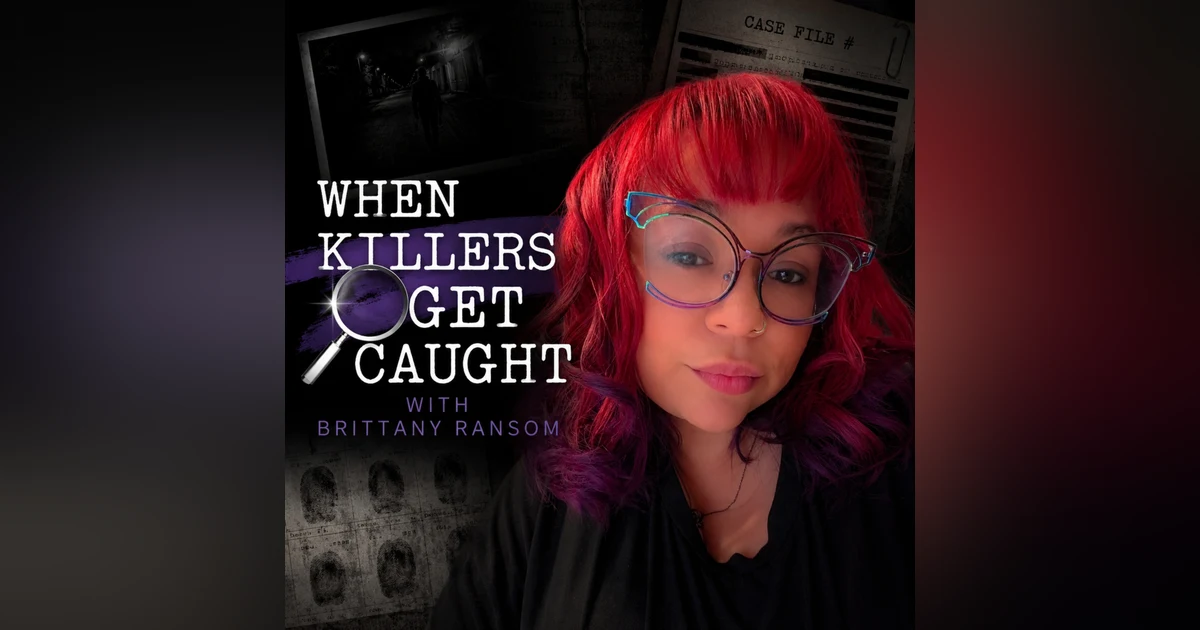
In this episode of When Killers Get Caught, host Brittany Ransom explores Michelle’s life before the headlines, her quiet acts of survival, her powerful 2013 courtroom confrontation with Ariel Castro, and her ultimate rebirth as author and advocate Lily Rose Lee.
Key Topics Covered:
The August 23, 2002 abduction of Michelle Knight
Systemic failure & the 2003 NCIC missing person database removal
Coercive control, daily cognitive survival rituals, and the story of Lobo
The arrival of Amanda Berry & Gina DeJesus at Seymour Avenue
The heroic Christmas 2006 delivery of baby Jocelyn
The May 6, 2013 escape and police rescue
Facing Ariel Castro in court & reclaiming life as Lily Rose Lee
If you want to connect with Brittany, catch regular updates, true crime discussions, and short-form video breakdowns follow us on social media:
Check out the website: https://www.whenkillersgetcaught.com
Follow on Facebook: https://www.facebook.com/WhenKillersGetCaught
Follow on TikTok: https://www.tiktok.com/@caughtpodcast
Get the Gear: https://www.caught-podcast-shop.fourthwall.com
Case Submissions: CaseCloserSubmissions@gmail.com
Business Inquiries: Caughtpodcast@gmail.comMusic featured in this episode is used with permission from Myuu. https://open.spotify.com/artist/5sP3ci0jwrXUBo76t8pGTF
If you enjoyed this episode, please take a moment to leave a five-star review on Apple Podcasts or Spotify it helps more listeners discover our victim-centric approach to investigative storytelling.


