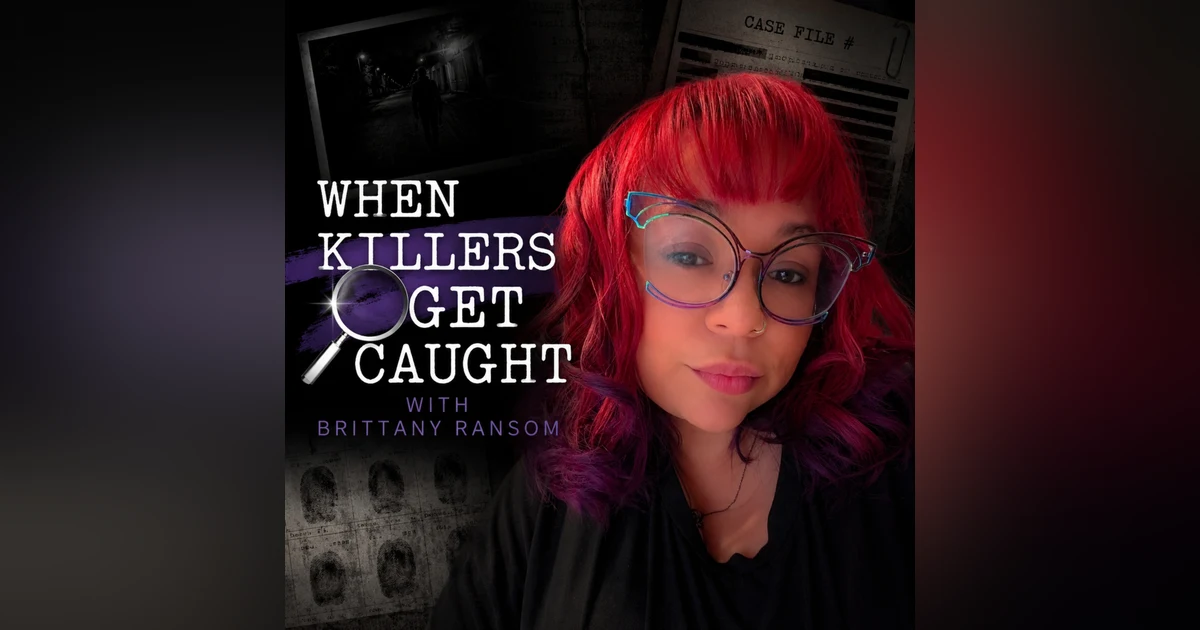
In 1974, 21-year-old pharmacy student Rhonda Stapley accepted a ride from a polite law student named Ted. What followed was a nightmare in Big Cottonwood Canyon and an extraordinary escape into a roaring mountain river.
In this episode of When Killers Get Caught, host Brittany Ransom deconstructs the "charming genius" myth surrounding Ted Bundy through the eyes of a woman who outsmarted him. We trace Rhonda’s terrifying encounter, her 20-foot leap to freedom, and the 40 years of silent survival, high-functioning PTSD, and religious shame that followed before she finally reclaimed her narrative.
This isn't another story about Ted Bundy. This is the story of the survivor who beat him.
In this episode:
• The cold open: Deconstructing the "why did she get in the car" myth
• The Modified Volkswagen: How Bundy trapped his victims inside
• The Escape: Rhonda’s 20-foot jump into Big Cottonwood Creek
• High-Functioning Trauma: Living with secret PTSD for 40 years
• Journalistic Ethics: Navigating delayed disclosure and unindicted allegations
Content Warning: This episode contains descriptions of violent assault, sexual violence, and trauma. Listener discretion is advised.
Follow & Subscribe:
If Rhonda’s story moved you, please leave a 5-star rating and review. Join the conversation on social media and share this episode with someone who needs to hear it.
If you want to connect with Brittany, catch regular updates, true crime discussions, and short-form video breakdowns follow us on social media:
Check out the website: https://www.whenkillersgetcaught.com
Follow on Facebook: https://www.facebook.com/WhenKillersGetCaught
Follow on TikTok: https://www.tiktok.com/@caughtpodcast
Get the Gear: https://www.caught-podcast-shop.fourthwall.com
Case Submissions: CaseCloserSubmissions@gmail.com
Business Inquiries: Caughtpodcast@gmail.com
Music featured in this episode is used with permission from Myuu. https://open.spotify.com/artist/5sP3ci0jwrXUBo76t8pGTF
If you enjoyed this episode, please take a moment to leave a five-star review on Apple Podcasts or Spotify it helps more listeners discover our victim-centric approach to investigative storytelling.


